We tend to know what we find beautiful (and who we find beautiful) but do we know why? Can we actually pinpoint what defines it? And if we could define it, would the principles always apply like a math equation?
The Classical Pillars of Beauty
These five concepts are taught to art, design, fashion, and architecture students (like myself), and they use these as their blueprint of what we would call, beautiful design.
Balance
Balance gives a composition visual stability. It can be symmetrical (like a butterfly) or asymmetrical (like trees and landscapes). We often associate balance with beauty, otherwise it feels “off” and unnatural.

Proportion
Proportion is the relationship between parts and the whole. When we find something beautiful, its components are in a “right” ratio. Proportion speaks to our understanding of what we’re looking at.
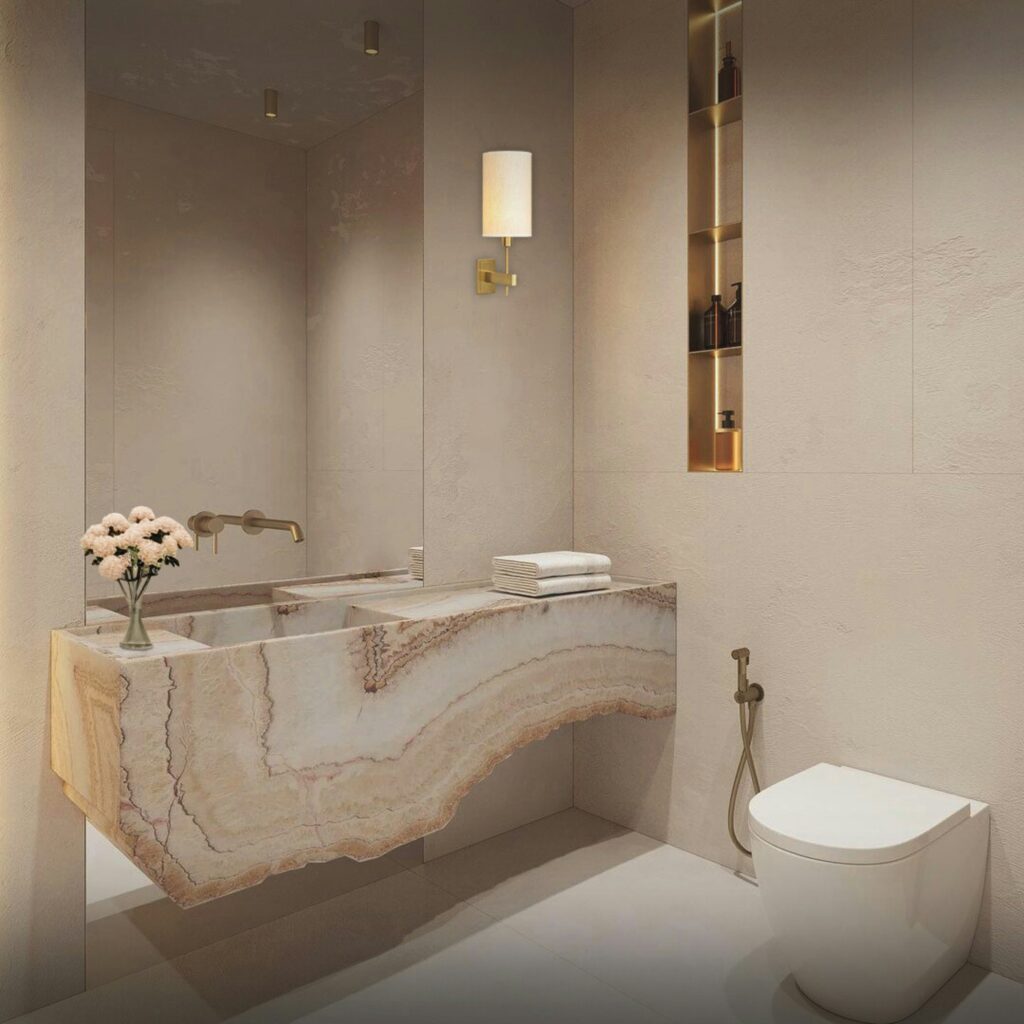
Harmony & Unity
These bring together elements in a way that feels complete. Harmony creates a sense of belonging between components; unity ensures the piece holds together. This could be a consistent palette – a cohesive mood.
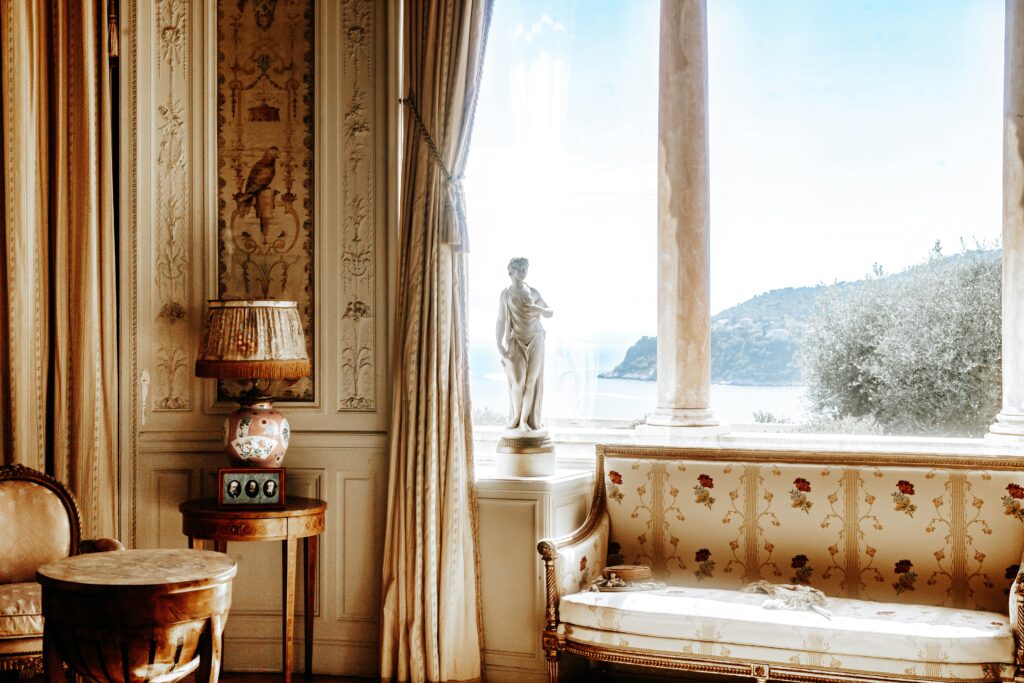
Rhythm & Repetition
These elements create motion and predictability. Whether it’s the arches of a Roman architecture or the repeated motifs in a textile pattern, rhythm and repetition offer a visual beat. It’s satisfying to us because we recognize it – we anticipate it.
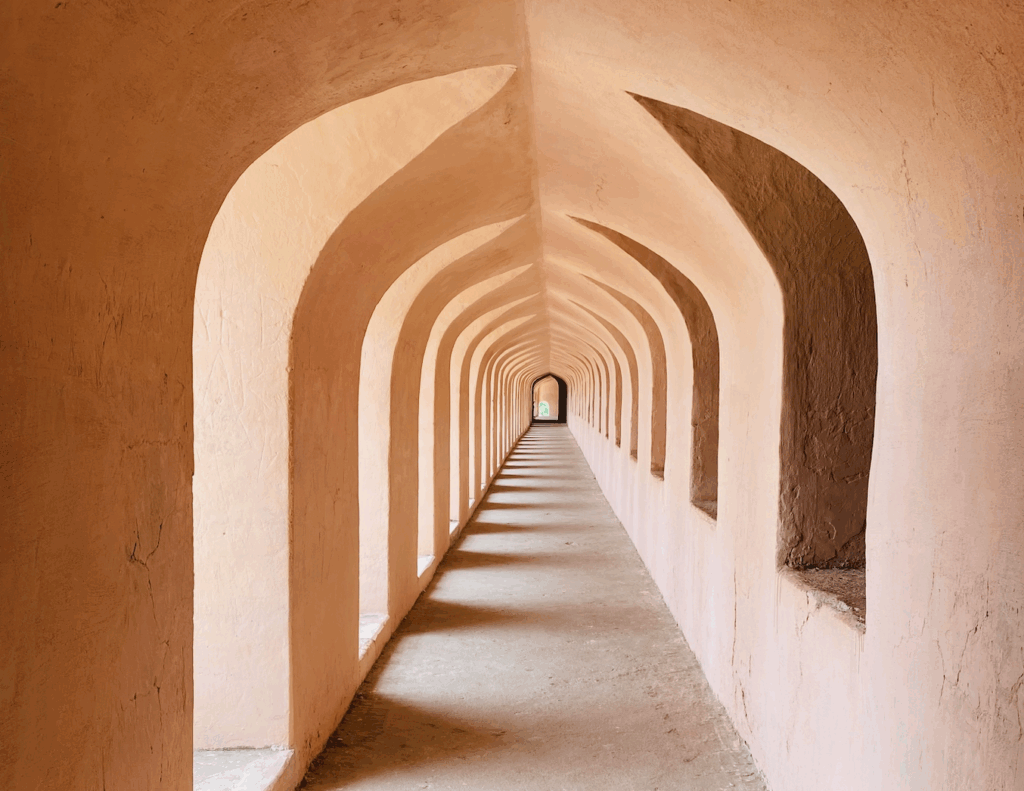
Contrast
Beauty doesn’t have to be soft. Contrast sharpens it. A burst of grey against a field of white, a jagged shape interrupting curves, or a high note cutting through a low hum—these moments of difference energize the whole. Without contrast, beauty risks monotony.

But Here’s the Twist. I Have a Theory: The Off-Putting Factor
Some of the most compelling beauty includes a note of dissonance—a crooked tooth in an otherwise symmetrical smile, a jarring line in a painting, a song that lingers on a slightly sour chord. This quality resists easy consumption. It makes us pause. It asks questions. Sometimes it even repels us—before it draws us in.
Why is that?
Because perfect beauty can feel distant or sterile. The off-putting element—the one that almost doesn’t belong—adds depth, texture, and humanity. It creates friction. It breaks the pattern just enough to keep us interested. It challenges harmony, disrupts rhythm, pushes contrast to its edge. It turns beauty into something active instead of passive.
So, Can Beauty Be Defined?
If by “defined” we mean “consistently reproduced with precision and agreement,” probably not. Beauty is always shaped by context, culture, and personal experience. But if we ask instead, “Can we identify patterns in what people tend to find beautiful?”—then yes, these design principles form a strong foundation.
And yet, the most memorable beauty often includes something that shouldn’t work—but somehow does.
Contact · Website · Instagram · Facebook

4 responses to “Can “Beauty” Be Defined?”
You know- I like things symmetrical. Like equilateral triangles.
Scalene, definitely scalene.
I like a note of dissonance myself. it makes it more interesting to my brain.
Totally agree!!